Roman Road Market end of tenancy cleaning guide Bow
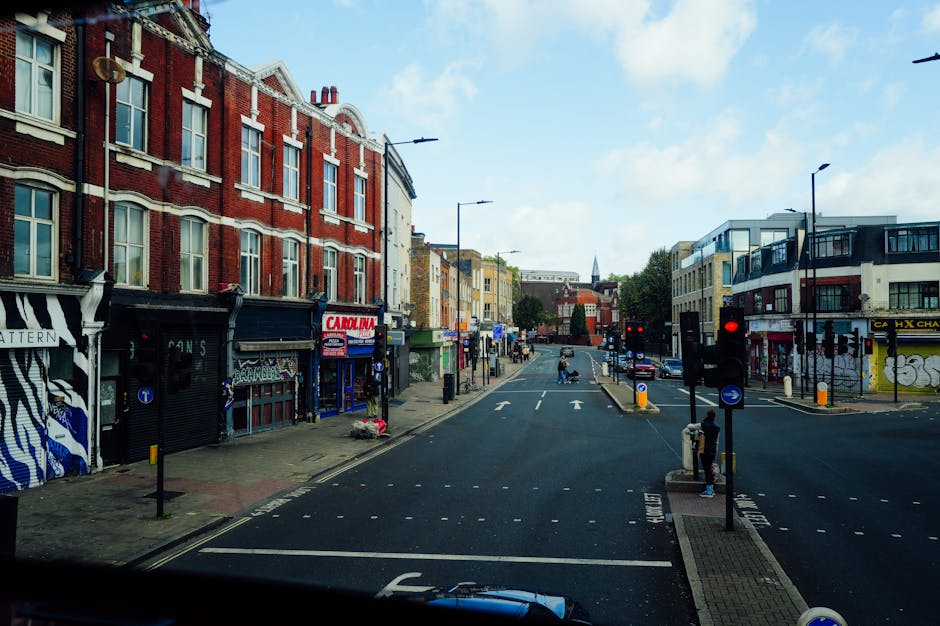
Moving out near Roman Road Market can feel oddly chaotic. One minute you are boxing up mugs and stray books, the next you are staring at a kitchen that somehow looks twice as used as it did a week ago. This Roman Road Market end of tenancy cleaning guide Bow is here to make that final stretch simpler, calmer, and far more manageable.
Whether you are a tenant trying to protect your deposit, a landlord preparing for new occupants, or a letting agent who wants a smooth handover, the goal is the same: leave the property in a clean, presentable, and inspection-ready condition. Below, you will find a practical walkthrough of what matters, what usually gets missed, and how to approach the job without wasting time on the wrong things.
And yes, the last 10% matters more than people think. That bit where the oven door smears, the skirting boards collect dust, and the bathroom mirror still has toothpaste mist on it? That is often where the final impression lives.
Why Roman Road Market end of tenancy cleaning guide Bow Matters
End of tenancy cleaning is not just "give it a quick once-over and hope for the best". In Bow, where homes range from compact flats to larger shared properties, the standard expected at the end of a tenancy can be surprisingly detailed. Landlords and agents usually look for a property that feels properly cared for, not merely tidied.
Roman Road Market adds a local layer too. If you are moving around a busy East London area, the last few days before checkout can be messy in a very ordinary human way: packed bags by the door, delivery boxes, and a steady trail of dust and footprints from repeated coming and going. It is normal. Still, the property has to present well at handover.
That is why a proper plan matters. Not every room needs the same effort, but every room needs attention. Kitchens and bathrooms often carry the most risk because grease, limescale, mould spotting, and appliance grime are easy to miss until the final inspection.
Expert summary: the best end of tenancy clean is not about making a home look freshly decorated. It is about restoring it to a respectful, inspection-ready condition, with no obvious signs of neglect, residue, or avoidable damage.
If you are also settling into or out of the area more broadly, some readers find it helpful to explore local context through pieces like a walk through Bow's streets and character and local views on living in Bow. It sounds unrelated, but knowing the neighbourhood often helps with planning a move in a more grounded way.
How Roman Road Market end of tenancy cleaning guide Bow Works
The practical process is straightforward, though the execution takes discipline. End of tenancy cleaning usually follows a room-by-room method, with extra attention on high-touch and high-grease areas. The idea is to clean in a logical sequence so dust and debris are not pushed from one place to another. Simple, really, but easy to mess up when you are tired.
In a typical Bow rental, the job starts with decluttering and removing loose items. Then you move from dry cleaning to wet cleaning: dust, vacuum, wipe, scrub, rinse, and finish. If you start with wet surfaces too early, you will often just smear dirt around and make the job longer. Been there, regretted that.
Here is the rough flow:
- Remove all personal belongings and rubbish.
- Dust from top surfaces down to lower ones.
- Vacuum and sweep floors before deep cleaning them.
- Clean kitchen appliances, sinks, taps, and splashbacks.
- Descale bathroom fixtures and polish glass or mirrors.
- Wipe switches, handles, ledges, and skirting boards.
- Finish with floors so the property looks properly reset.
For many tenants, the hardest part is deciding what counts as "clean enough". A good rule of thumb: if you would not be happy seeing it during a checkout inspection, do not leave it that way. If you need carpet attention as part of the process, a dedicated service such as carpet cleaning in Bow can be a sensible add-on because floors often show the most wear.
Key Benefits and Practical Advantages
A thorough end of tenancy clean saves time, stress, and awkward back-and-forth later. That sounds obvious, but in moving week obvious things tend to vanish. A proper clean can reduce the chance of deposit disputes, help the property present better to the next occupant, and make the handover feel more professional.
There is also a psychological benefit. Once the cleaning is done properly, the move feels finished. Not half-finished, not "we should really come back and do the oven sometime", but actually done. That matters more than people admit.
Practical advantages you will notice
- Cleaner inspection results: fewer visible issues for landlords or agents to flag.
- Better time control: a structured clean avoids last-minute panic.
- Less wasted effort: you focus on the areas that really affect checkout.
- More confidence at handover: you are less likely to second-guess what was missed.
- Improved move-out presentation: useful if there are photos, inventories, or reference checks.
For landlords, there is a broader benefit too. A properly cleaned home can be turned around more smoothly between tenancies, which keeps momentum going. If you are interested in the property side of Bow more generally, the local reading trail around buying property in Bow and investing in Bow real estate adds useful context on why presentation and upkeep matter in this area.
Who This Is For and When It Makes Sense
This guide is most useful if you are leaving a rented home, but it is not only for tenants. Letting agents, landlords, co-tenants, and even property managers can use the same logic to organise a better clean.
It makes sense when:
- you are approaching the final week of a tenancy;
- you need to pass an inventory or checkout inspection;
- the property has been lived in heavily, with visible wear;
- you are short on time and cannot spread cleaning across several days;
- you want a clear plan before deciding between DIY cleaning and professional help.
It also makes sense if you are moving into a property shortly after a tenant has left. A fresh start is much easier when the last occupants left the place truly clean, not just tidy-ish. Kitchens especially. Kitchens do not forgive shortcuts.
If you are balancing moving tasks, packing, removals, and admin, it can help to offload the cleaning burden entirely. Many readers also look at broader service information such as the services overview and the company's end of tenancy cleaning service to understand what is typically included.
Step-by-Step Guidance
A structured process is the difference between a decent clean and a proper one. If you only have one day, or even a few hours, the order of work matters a lot.
1. Start with a full walk-through
Before cleaning, inspect the property room by room. Note stains, grime build-up, marks on walls, dust on ledges, and appliance issues. This saves time later because you are not guessing halfway through. You are building a job list, not just wandering around with a cloth.
2. Remove waste and loose clutter
Take out rubbish, old food, packaging, and anything left in cupboards or behind furniture. Even a spotless sink looks wrong if there is a crumpled bin bag in the corner. That small detail can change how the whole room feels.
3. Deal with the kitchen first
The kitchen is usually the toughest space. Clean the oven, hob, extractor fan, cupboards, handles, worktops, sink, taps, and splashback. Defrost and wipe the fridge if it is staying. Do not forget grease above the hob and around the cooker hood. Those faint sticky patches are very easy to miss until light hits them at an awkward angle.
4. Move to bathrooms
Bathrooms need descaling, disinfecting, and polishing. Focus on the toilet base, taps, shower screens, plugholes, tiles, grout lines, and around the bath edge. A bathroom can look clean at first glance but still fail a proper inspection if limescale or soap film is sitting in plain sight.
5. Clean living spaces and bedrooms
Dust skirting boards, window sills, light switches, plug sockets, shelves, doors, and frames. Vacuum upholstery if needed. If curtains or fabric furnishings need care, a specialist reference like best practices for washing velvet curtains can be useful when delicate materials are involved.
6. Finish with floors
Vacuum first, then mop hard floors. If carpets are staying, remove surface debris and spot-clean where safe. For more stubborn carpet marks or a flat that has had months of daily foot traffic, it may be worth pairing your end of tenancy clean with carpet cleaning in Bow.
7. Do a final detail pass
Check behind doors, under beds, around radiators, on top of cupboards, and inside drawers. Then look again in natural daylight if you can. Morning light has a way of revealing dust that indoor lamps politely hide. Annoying, but useful.
Expert Tips for Better Results
The best cleaning work often comes down to technique, not just effort. You can scrub hard for an hour and still miss the real problem if you are using the wrong order or the wrong product.
- Work top to bottom. Dust falls. Let it fall onto areas you have not cleaned yet.
- Use dwell time. Spray and wipe is fine for some surfaces, but grease and limescale often need a few minutes to loosen first.
- Carry two cloths, not one. One for dirty work and one for finishing makes a visible difference.
- Test products on hidden spots. This is especially important on painted surfaces, delicate finishes, and fabrics.
- Use daylight where possible. If the room looks clean in daylight, it is usually clean enough for most inspections.
- Photograph the finish. A quick record can help if there is any later question about the condition you left behind.
One small but important tip: do not clean in a rush while boxes are still being moved around. You end up re-dusting the same surfaces. Move first if you can, clean second. It is more peaceful that way, honestly.
Common Mistakes to Avoid
Most end of tenancy problems are not dramatic. They are small, repeated oversights. A few crumbs in a drawer, a dusty extractor fan, a bathroom corner with unseen grime. Nothing glamorous, just enough to cause friction.
- Leaving the oven until the last minute. It is usually the hardest task and always takes longer than expected.
- Forgetting high and hidden spots. Tops of wardrobes, behind radiators, and door frames are classics.
- Using too much water. Excess moisture can leave streaks, damage surfaces, or slow drying.
- Ignoring limescale. Especially in bathrooms and around taps.
- Cleaning floors before dusting above them. That just sends debris back down again.
- Not checking the inventory. The inventory tells you what the property had when you moved in. It matters.
A common one we see is people saying, "It looks fine to me." Maybe. But what looks fine in a hurry at 8 p.m. can look very different in the sharper light of a checkout inspection the next morning.
Tools, Resources and Recommendations
You do not need fancy gear, but the right tools make the job much faster. If you are cleaning a full flat or house, basic equipment alone can save your sanity.
| Task | Useful tools | Why it helps |
|---|---|---|
| Kitchen deep clean | Degreaser, non-scratch sponge, microfiber cloths | Helps break down grease without damaging finishes |
| Bathroom clean | Limescale remover, scrub brush, cloths | Makes taps, screens, and tiles easier to restore |
| Dust removal | Microfiber duster, vacuum with attachments | Reaches corners, skirting boards, and vents |
| Floor care | Vacuum, mop, suitable floor cleaner | Keeps floors presentable without residue |
| Fabric care | Upholstery brush, fabric-safe cleaner | Useful for sofas, chairs, and soft furnishings |
If the tenancy includes sofas, chairs, or fabric headboards, soft furnishings deserve proper attention. A useful related read is upholstery cleaning in E3, which can be relevant when the inventory includes visible fabric wear.
For practical planning and booking confidence, it is also worth reviewing pricing and quotes so you know how costs are generally approached before committing to a service. If you care about how payments are handled, the page on payment and security is a sensible read too. Not thrilling, perhaps, but reassuring.
Law, Compliance, Standards, or Best Practice
End of tenancy cleaning is usually shaped by the tenancy agreement, the inventory, the checkout report, and normal expectations of fair wear and tear. That means the exact standard can vary slightly from one property to another. A well-run clean should respect what was documented at move-in and avoid damaging fixtures, paintwork, or appliances.
In the UK, tenants are generally expected to return the home in a reasonable, clean condition, but the precise requirement depends on the agreement and the property's recorded condition. It is sensible to keep that wording in mind rather than guessing. If an item was already worn or stained when you moved in, the inventory becomes important evidence.
Best practice usually includes:
- following the original check-in inventory where available;
- cleaning to a consistent and visible standard, not just a surface tidy;
- avoiding harsh products on delicate finishes;
- documenting completed work with dated photos;
- being careful around electrics, steam, and wet floors;
- raising concerns early if repair or specialist cleaning is needed.
Safety matters too. A good provider should take sensible precautions with equipment, cleaning agents, and working methods. If you want to know more about responsible practice, the pages on health and safety policy and insurance and safety are helpful for understanding the standards behind the service. And yes, that kind of detail matters more than most people realise.
For readers who like to understand the business a little more before booking, the company's about us page and terms and conditions offer useful background on how services are structured and what to expect.
Options, Methods, or Comparison Table
There is no single right way to handle an end of tenancy clean. The best choice depends on time, property size, your tolerance for hard work, and how close the inspection is. Here is a simple comparison.
| Option | Best for | Pros | Trade-offs |
|---|---|---|---|
| DIY clean | Smaller properties, tight budgets, plenty of time | Lower cost, full control | Takes longer, easy to miss detail work |
| Hybrid clean | Tenants who want to handle basics but outsource key tasks | Balanced cost and effort | Requires careful coordination |
| Professional end of tenancy clean | Busy moves, larger homes, higher presentation standards | More consistent result, less stress | Higher upfront cost |
In practice, a hybrid approach often works well for people in Bow. You might handle packing, light dusting, and rubbish removal yourself, then bring in professional help for the oven, carpets, or upholstery. That way, you spend your energy where it actually counts.
Case Study or Real-World Example
A fairly typical local scenario: a two-bedroom flat near Roman Road Market, with a busy kitchen, one bathroom, and a hallway that sees constant foot traffic. The tenants have already moved most things out, but the place still has the usual signs of real life: a greasy hob, some limescale around taps, dusty skirting boards, and carpet traffic marks by the living room door.
The clean starts with the kitchen because it is the most time-consuming area. The oven is left to soak while cupboards and worktops are wiped. Meanwhile, the bathroom gets descaled and dried properly so there are no streaks left behind. Floors are vacuumed last, after the dusting is done, not before. Small detail, big difference.
By the end, the flat is not "brand new" - and it does not need to be. It simply looks cared for. The surfaces are clear, the bathroom smells fresh rather than perfumed over, and the floor no longer tells the story of the last six months. That is what most checkout inspections really want to see.
Sometimes the best result is just being able to hand back the keys without your stomach dropping a little. We all know that feeling.
Practical Checklist
Use this checklist as your final sweep before handover. It is simple, but it catches a lot.
- All rubbish removed from every room
- Kitchen cupboards emptied and wiped inside and out
- Oven, hob, and extractor fan cleaned
- Fridge/freezer defrosted and wiped if included
- Bathroom taps, tiles, toilet, bath, and shower cleaned and descaled
- Mirrors, glass, and chrome polished
- Skirting boards, switches, and door handles wiped
- Window sills, ledges, and shelves dust-free
- Floors vacuumed and mopped where suitable
- Carpets cleaned or spot-treated if needed
- Soft furnishings checked for marks or dust
- Final photos taken in good light
- Keys, meter notes, and any required handover items ready
Quick reminder: if the inventory mentions a feature, clean that feature. If the tenancy agreement highlights a condition, meet that condition. It sounds basic, but people miss it all the time.
Get a free quote today and see how much you can save.
Conclusion
A good move-out clean around Roman Road Market is really about control. Control over the mess, the timing, and the final impression you leave behind. When you approach it room by room, with a proper order and a realistic checklist, the whole process becomes far less stressful.
If you are a tenant in Bow, you do not need to make the clean perfect in some impossible, showroom sense. You just need to make it thorough, tidy, and fair to the property. That is what protects your deposit, reduces arguments, and lets you move on properly. And to be fair, that is enough of a win on moving day.
Take the practical route, keep the detail work in mind, and give yourself a little breathing room near the end. Moving is hard enough without leaving a mystery stain on the hob and hoping for the best.
Frequently Asked Questions
What is included in an end of tenancy clean near Roman Road Market?
It usually includes deep cleaning of the kitchen and bathroom, dusting and wiping throughout the property, cleaning internal glass and fixtures, and finishing floors. The exact scope depends on the tenancy agreement and the property's condition at move-in.
Do I need professional end of tenancy cleaning in Bow?
Not always. Some tenants can do a thorough DIY clean, especially in smaller properties. But if time is short, the property is larger, or you want a more consistent finish, professional help can make the process much easier.
How clean does the property need to be when I move out?
The home should be returned in a clean and presentable condition, aligned with the inventory and tenancy agreement. In simple terms, there should be no obvious dirt, residue, or avoidable mess left behind.
Will carpet cleaning help with my checkout inspection?
Yes, if the carpets are visibly worn, stained, or dusty. Clean carpets can make a noticeable difference to the overall appearance of the property, especially in hallways and living areas.
What are the most commonly missed areas during move-out cleaning?
People often miss the tops of cupboards, behind radiators, extractor fans, skirting boards, oven seals, bathroom limescale, and the edges of shower screens. These are small areas, but they show up quickly in an inspection.
How long does end of tenancy cleaning usually take?
It depends on property size, layout, and condition. A small flat can take several hours if cleaned well. Larger or heavily used homes will take longer, especially if appliances and carpets need extra attention.
Should I clean before or after moving my things out?
It is usually better to move everything out first if possible. That lets you clean properly behind furniture, inside cupboards, and around edges that are often hidden while the property is still full.
Can I use strong bleach everywhere?
No. Strong bleach can damage some surfaces and is not suitable for every finish. It is safer to use products appropriate to each room and to test on a hidden area first if you are unsure.
What if the property already had marks when I moved in?
That is where the inventory matters. If an issue was recorded at move-in, it helps establish what was already there. Keep your own photos too, just in case.
Is upholstery cleaning relevant during end of tenancy cleaning?
It can be. If sofas, dining chairs, or other upholstered items are part of the property and showing visible use, cleaning them can improve the overall finish and help the home feel genuinely reset.
What should I do on the day of checkout?
Do a final walk-through, check obvious touchpoints like sinks and handles, empty bins, open curtains for daylight checks, and take photos before handing back the keys. A five-minute final review can save a lot of stress.
Where can I learn more about cleaning and local Bow services?
You can explore related local reading and service information through the Bow blog and service pages, including practical guides on moving, property, and specialist cleaning topics. It is a useful way to plan the next step without feeling rushed.