Recycling and Sustainability at Cleaners E3
 At Cleaners E3, recycling and sustainability are built into the way we work every day. Our approach to cleaner sustainability is practical, local, and focused on reducing waste at every stage of the cleaning process. From sorting materials correctly to choosing lower-emission travel, we aim to deliver a service that supports the environment as well as the communities we operate in. A key part of our commitment is a recycling percentage target designed to keep as much recoverable material as possible out of landfill, while improving how waste is separated, stored, and sent onward for processing.
We recognise that responsible waste handling is not a single action but a sequence of good decisions. That is why our recycling-focused cleaning service places emphasis on source separation, careful collection practices, and collaboration with local facilities. In boroughs where waste streams are separated into paper, cardboard, glass, metal, food waste, and mixed recyclables, we align our practices with those local systems so materials can be directed efficiently. This helps support cleaner borough recycling outcomes and improves the chance that materials are processed into useful new products.
Our sustainability plan also includes working with nearby transfer stations that help consolidate waste safely and efficiently. These local hubs play an important role in reducing unnecessary transport and supporting better sorting before materials move to larger treatment or recycling sites. By using local transfer stations where appropriate, we can help lower the environmental impact of collection routes, improve logistics, and maintain better oversight of what is being recycled, reused, or responsibly disposed of.
Another important element of our eco-friendly cleaning operations is our partnerships with charities. Where suitable items can be diverted from disposal, we work alongside charity organisations that can pass along reusable goods to people who need them. This can include furniture, household items, textiles, or other materials that are still in usable condition. Such partnerships help extend product life, reduce waste, and support social value alongside environmental goals. In practice, this means our recycling and re-use efforts are not limited to the bin; they become part of a wider circular approach.
Cleaners E3 also uses low-carbon vans as part of our ongoing effort to reduce emissions. Cleaner transport is a major step in improving the sustainability of any service business, and our vehicle choices reflect that. Low-emission and more fuel-efficient vans help cut the carbon footprint of our routes while still allowing us to serve customers reliably. For a business working across busy neighbourhoods and central areas, this is a meaningful way to support lower air pollution and more sustainable operations.
We also take a careful view of the specific waste streams common in urban areas. In some boroughs, recycling collections are organised around strict separation rules for dry mixed recycling, garden waste, food waste, and residual waste. Our sustainable cleaning practices are designed to fit within those local systems, helping ensure waste is placed in the correct stream at the right time. This matters because good separation improves recovery rates and reduces contamination, which is one of the biggest barriers to effective recycling.
 The broader aim of our recycling service in E3 is to move beyond compliance and build habits that make a measurable difference. We look for opportunities to minimise single-use materials, favour reusable equipment where possible, and reduce packaging waste from consumables. When waste is unavoidable, we apply a consistent sorting process to identify what can be recycled, what must be transferred safely, and what can be redirected through charitable or reuse channels. This balanced approach supports both performance and responsibility.
We pay close attention to how local recycling systems evolve, especially where boroughs refine their rules for paper grades, plastics, tins, and glass. These systems can vary slightly from one area to another, so the ability to adapt is essential. By staying aligned with local waste separation expectations, Cleaners E3 helps reduce the risk of contamination and keeps recycling streams cleaner. That means a better outcome for local authorities, transfer facilities, and the communities they serve.
 Sustainability at Cleaners E3 also includes thoughtful planning behind the scenes. Route efficiency, waste consolidation, and the use of cleaner vehicles all contribute to a lower overall footprint. Combined with our recycling percentage target, these measures create a practical framework for ongoing improvement. We are committed to making our operations more resource-efficient without compromising the quality of service, and that includes supporting local environmental priorities wherever we work.
As part of our cleaner and greener operations, we continue to review how materials are separated and reported, so that progress can be measured and improved over time. Whether it is packaging, paper waste, recyclable containers, or reusable items sent onward through charity partnerships, our goal is to ensure each material is handled in the most responsible way available. This is especially important in areas where borough waste systems rely on residents and service providers to keep streams clean and properly sorted.
 Local transfer stations remain an essential part of this process because they enable efficient handling of collected materials before they reach the next stage. Used properly, they help reduce unnecessary journeys and make it easier to direct waste into suitable recovery pathways. When combined with low-carbon vans and good on-site sorting, they form a strong foundation for a more sustainable cleaning service.
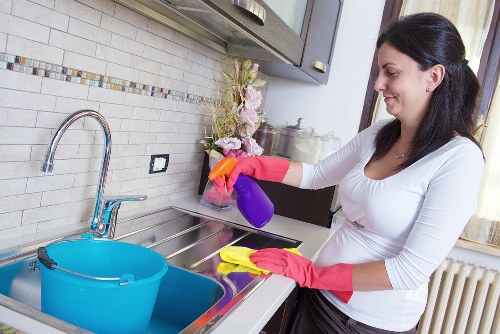 Ultimately, Cleaners E3 recycling and sustainability is about doing the small things well and consistently. By setting a clear recycling percentage target, using local transfer stations responsibly, maintaining partnerships with charities, and investing in low-carbon vans, we are building a service that supports the circular economy. Our work is shaped by local borough approaches to waste separation and by a simple principle: reduce what is wasted, reuse what can be saved, and recycle what remains.