Health and Safety Policy for Cleaners E3
Health and safety is a core part of every professional cleaning operation, and this policy sets out how cleaning teams in E3 work responsibly, reduce risk, and maintain a safe environment for staff, clients, and visitors.  The aim is to ensure that every cleaner understands their duties, uses suitable controls, and follows consistent procedures that support safe and effective work.
Cleaning work can involve slippery floors, chemical exposure, manual handling, repetitive movements, and the use of electrical equipment. A clear cleaner health and safety policy helps reduce these risks by setting expectations for training, supervision, reporting, and safe practice. It also supports a culture where safety is treated as part of quality service, not as an extra task.
 This policy applies to all cleaning activities carried out in domestic, commercial, and shared environments. Whether the task is routine cleaning, deep cleaning, or specialist surface care, the same safety standards apply. Every worker should follow the agreed method, use the correct tools, and stop work if conditions become unsafe.
Risk assessment is an essential starting point before any job begins. Cleaners should look for hazards such as wet floors, poor lighting, broken fixtures, exposed cables, blocked exits, or aggressive substances. If a hazard cannot be controlled immediately, the task should be delayed until safe arrangements are in place. This approach protects both the cleaner and everyone else present.
Training must cover safe use of cleaning products, correct dilution, storage, and the meaning of warning labels. Workers should know how to read safety information and understand the importance of not mixing products unless specifically instructed. Personal protective equipment, such as gloves, aprons, and eye protection, should be worn when required and kept in good condition. Using the right protection reduces avoidable injuries and supports safer cleaning standards.
Equipment safety is equally important. Mops, vacuums, polishers, ladders, and other tools should be checked before use, cleaned after use, and stored properly.  Damaged items must be reported and taken out of service at once. Electrical equipment should only be used in line with manufacturer instructions, and cleaners should avoid overloading sockets or working with faulty leads.
Manual handling is a frequent part of cleaning work, so staff should use safe lifting techniques and avoid unnecessary strain. Heavy loads should be split into smaller amounts where possible, and awkward movements should be reduced by using suitable trolleys or carrying aids. Managers should plan tasks realistically so that cleaners are not expected to rush, stretch excessively, or handle items beyond their safe capacity.
Hygiene controls also play a major role in a cleaner's health and safety policy. Hands should be washed regularly, especially after handling waste, chemicals, or contaminated items. Waste should be collected, bagged, and disposed of securely. Where cleaning involves bodily fluids or other higher-risk materials, extra precautions are needed, and the correct procedures must be followed to limit exposure and contamination.
In the middle of service delivery, communication keeps standards high. Cleaners should report spills, near misses, broken equipment, missing supplies, and any condition that could affect safety. 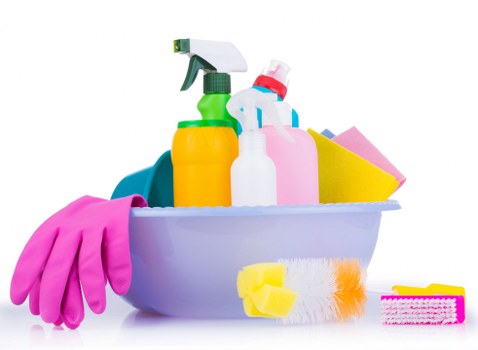 Supervisors should respond promptly, record incidents where needed, and update working methods if risks change. Good communication also ensures that everyone understands their responsibilities and that safety concerns are taken seriously.
Workplace behaviour should support a calm and orderly environment. Running, distracting others, or leaving equipment in walkways can create hazards that lead to injuries. A professional health and safety policy for cleaners promotes tidy work areas, clear signage when floors are wet, and respect for other building users. Preventing accidents is always easier than dealing with the consequences afterwards.
Supervision and record-keeping strengthen the policy further. Managers should review procedures regularly, refresh training where necessary, and keep records of inspections, incidents, and maintenance. This helps identify patterns, improve methods, and ensure that high standards are maintained over time. If a task requires specialist knowledge, only suitably trained personnel should carry it out.
 The policy should be reviewed periodically to ensure it remains effective, practical, and relevant to the work being done. Any updates should be communicated clearly to the cleaning team, and staff should be given time to understand new requirements. A consistent commitment to safety helps create a reliable, professional cleaning service where people can work with confidence and care.