Mile End Park upholstery cleaning tips for Bow residents
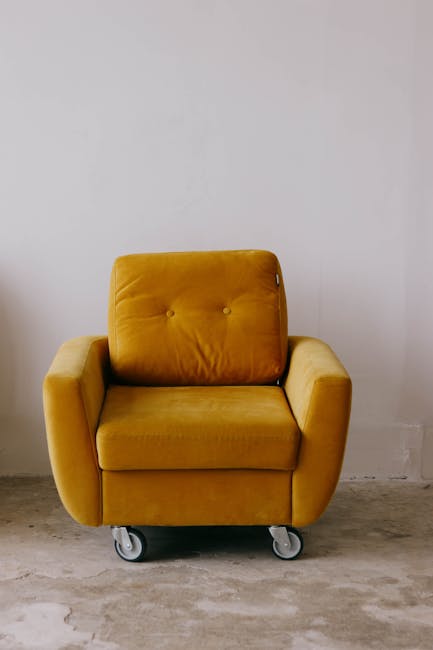
If you live near Mile End Park or anywhere around Bow, upholstery can take a surprising beating. One rainy commute, a takeaway on the sofa, a dog jump after a muddy walk, and suddenly a chair that looked fine last week feels a bit tired. This guide to Mile End Park upholstery cleaning tips for Bow residents is here to make the job simpler, safer, and more effective without turning your weekend into a chemistry lesson.
You'll find practical cleaning methods, fabric-specific advice, common mistakes to avoid, and a clear way to decide when DIY makes sense and when it's smarter to call in help. Truth be told, most upholstery problems get worse because people wait too long or use the wrong product. Let's fix that.
Why Mile End Park upholstery cleaning tips for Bow residents Matters
Upholstery is one of those things people notice only when it starts looking patchy, dull, or a little bit sticky. In Bow, that happens more often than you'd think. Homes near busy routes, green spaces, and shared buildings tend to collect everyday grime faster: pollen from open windows, fine dust, damp shoes by the door, and the occasional splash from a rushed cuppa.
For Bow residents, cleaning upholstery well matters for three main reasons. First, it keeps furniture looking fresh, which matters if your sofa is the centre of the living room rather than just a place to drop the remote. Second, regular care helps reduce the build-up of dust and odours. Third, the right approach can extend the life of the fabric, which is a lot cheaper than replacing a whole armchair because of one bad stain removal attempt. We've all seen that one patch that somehow gets bigger after a well-meant scrub.
There's also a local angle. Flats and smaller homes in Bow often rely on a few key pieces of furniture to do a lot of work. Your sofa doubles as seating, reading corner, movie spot, sometimes even a guest bed. That means upholstery cleaning isn't a luxury task. It's routine maintenance, just like vacuuming the floor or wiping the kitchen counters.
How Mile End Park upholstery cleaning tips for Bow residents Works
Good upholstery cleaning usually follows a simple logic: remove loose soil first, test the fabric, treat stains gently, clean the whole surface evenly, then dry it properly. That sounds basic, but the order matters a lot.
Most upholstery is made from one of three broad fabric groups: natural fibres such as cotton or linen, synthetics such as polyester blends, or delicate materials such as velvet and some wools. Each reacts differently to water, heat, and cleaning solutions. So before doing anything, check the care label if it's still there. It may be hidden under a cushion or tucked along a seam, which is annoyingly common.
At home, the process usually starts with vacuuming. Use an upholstery attachment and go slowly. You are aiming to lift crumbs, hair, lint, and surface dust before any moisture is introduced. After that, spot test any cleaner on a hidden area. If the colour runs, the texture changes, or the patch dries lighter or darker, stop there. Better to be a little cautious than to create a permanent mark.
From there, the method depends on the problem:
- Light dust and dullness: vacuum, brush lightly, and use a barely damp cloth if the fabric allows it.
- Food or drink stains: blot first, then use a suitable fabric cleaner in small amounts.
- Oily marks: treat carefully because grease spreads if you rush.
- Odours: fresh air and deep cleaning matter more than perfume-heavy sprays.
If you want a useful comparison point, think of upholstery cleaning like carpet cleaning's gentler cousin. You still need method, but you need a lighter touch. For Bow residents already dealing with flooring maintenance, it can help to pair fabric care with broader home cleaning habits. A simple overview of related upkeep can be found in carpet cleaning in Bow and the wider services overview when you are planning a bigger clean-up.
Key Benefits and Practical Advantages
The obvious benefit is appearance. Clean upholstery looks brighter, feels fresher, and makes the whole room seem more cared for. But there are a few less obvious wins too.
- Better indoor freshness: dust and trapped odours don't linger as much when fabric is properly maintained.
- Longer furniture life: regular gentle cleaning helps prevent fibre wear and ugly build-up.
- Lower stain risk: many spills become harder to remove the longer they sit.
- More comfortable living: soft furnishings feel better when they're not loaded with grime.
- Improved presentation: handy for landlords, tenants, or anyone getting ready for guests.
There's a practical side too. If you're moving, hosting, or doing a seasonal reset, upholstery often sets the tone for the whole home. A sofa can look clean from a distance and still feel slightly grim up close, which is not ideal when someone settles in with a coat and a hot drink.
Bow residents who like a tidy, low-fuss home usually get the best results from routine care rather than dramatic deep-cleans every six months. Small actions keep the big jobs smaller. Simple, really.
Who This Is For and When It Makes Sense
This kind of upholstery care is useful for a wide range of people in Bow, but it is especially relevant if your home sees regular use.
- Families: spills, crumbs, sticky fingers, and the odd mystery mark happen.
- Pet owners: fur, paw prints, and odours can settle into soft furnishings fast.
- Renters: upholstery condition can matter when you move in or out.
- Homeowners: regular upkeep protects the furniture you've invested in.
- Hosts and entertainers: sofas and dining chairs are on show more often than you might expect.
- Small business owners or office managers: reception seating and soft chairs are part of first impressions.
If your furniture is old, delicate, or made from a fabric you're not sure about, take a conservative approach. That means less liquid, more blotting, and no aggressive scrubbing. If you're dealing with a stubborn stain, a water ring, or a velvet piece that has flattened, it may be worth looking at fabric-specific guidance such as the velvet care guide. The material principles are different, but the caution is the same.
And yes, if your sofa is basically the family meeting point, it probably needs more attention than the occasional quick vacuum. That's normal. Life is lived on furniture.
Step-by-Step Guidance
Here's a practical way to tackle upholstery cleaning without overcomplicating it.
- Identify the fabric. Check the care label and note whether the fabric is water-safe, solvent-safe, or dry-clean only.
- Vacuum thoroughly. Use the upholstery tool, get into seams, and lift loose dirt before adding moisture.
- Spot test first. Apply a tiny amount of cleaner to a hidden area and wait until it dries.
- Address stains gently. Blot rather than rub. Work from the outside of the stain inward so it doesn't spread.
- Clean the full section. If you only clean one patch, you can end up with tide marks or visible rings.
- Use minimal moisture. Damp is fine. Soaked is not. Overwetting is one of the easiest ways to cause problems.
- Rinse lightly if needed. Some products leave residues that attract dirt later, so follow with a clean cloth and plain water if the fabric allows it.
- Dry properly. Open a window, improve airflow, and let the fabric dry naturally before heavy use.
- Brush or reshape fibres. Once dry, a soft brush can help restore the pile on some fabrics.
For day-to-day upkeep, weekly vacuuming is often enough to stop dirt setting deep into the fibres. If you have children or pets, a quicker midweek pass can make a noticeable difference. Not glamorous, but effective.
One small but useful habit: deal with spills early. A fresh stain is usually far easier to lift than one that has sat there through lunch, a nap, and a full episode of something on TV.
Expert Tips for Better Results
A few professional habits make a big difference, even if you're not hiring anyone and prefer to handle things yourself.
Use less product than you think. Many household stains respond better to patient blotting than to a strong cleaner. Too much liquid tends to push dirt deeper into the padding.
Work in stages. Treat one armrest, one cushion, or one panel at a time. That keeps control over drying and helps you avoid missed patches.
Think about the whole room. If the upholstery smells stale, the issue may not be the sofa itself. Sometimes the room needs a wider clean, which is why people often pair furniture care with a proper domestic cleaning routine or a more targeted house cleaning visit.
Rotate cushions regularly. This sounds almost too simple, but it helps spread wear and prevents one side from getting flattened and grubby much faster than the rest.
Keep cleaning tools clean. A dirty cloth can smear old grime back onto a fresh section. Not ideal. A fresh microfibre cloth is worth having.
Be careful with steam. Some fabrics handle it well, but others don't. Heat can set some stains and distort delicate fibres. If you are unsure, skip it.
Ventilation matters. Open windows or run airflow after cleaning, especially in compact flats where moisture hangs around longer than you'd expect.
Expert summary: The best upholstery cleaning is usually calm, local, and controlled. Test first, use less liquid, move slowly, and dry thoroughly. That approach protects the fabric and usually gives a cleaner finish than a rushed deep scrub.
Common Mistakes to Avoid
Most upholstery problems happen because someone tries to fix them too quickly. Happens all the time.
- Rubbing stains hard: this can spread the mark and damage fibres.
- Using too much water: over-wetting can leave rings, odours, or deeper moisture in the cushion filling.
- Skipping the spot test: one hidden patch can save a whole sofa.
- Using the wrong cleaner: multi-surface products are not always suitable for fabrics.
- Ignoring the care label: some materials really do need specialist treatment.
- Cleaning only the stain: that often leaves a visible patch around the treated area.
- Putting cushions back too soon: trapped moisture can create smells or mildew over time.
Another mistake is assuming every dark mark is dirt. Sometimes it is dye transfer, wear, or fibre damage. If a stain doesn't budge after a careful first attempt, stop and reassess. A second aggressive round usually makes things worse, not better.
And yes, that includes the classic "I'll just give it another scrub." Famous last words, really.
Tools, Resources and Recommendations
You do not need a cupboard full of gadgets to clean upholstery well. A small, sensible kit goes a long way.
- Vacuum cleaner with upholstery attachment
- Soft brush or fabric brush
- Microfibre cloths
- White absorbent towels for blotting
- Small bowl of plain lukewarm water
- Fabric-safe cleaner suitable for the material
- Protective gloves if you're using a product that calls for them
If you are comparing cleaning options, it helps to think in terms of task and material rather than just price. A general upholstery refresh is different from a stubborn food spill on a velvet armchair, and very different again from a whole-home pre-move clean. For broader planning, the pages on end of tenancy cleaning and upholstery cleaning in E3 can help you see where professional support fits.
If you're booking multiple services or trying to keep everything simple, it can also be useful to review pricing and quotes before making a decision. That way you know what you're comparing, and there are fewer surprises later on.
Law, Compliance, Standards, or Best Practice
For most homeowners and tenants, upholstery cleaning is mainly about care and common sense rather than legal complexity. Still, a few best-practice points matter in the UK context.
If furniture is being cleaned professionally, the cleaner should work safely, follow the product instructions, and avoid methods that could damage the item or create unnecessary moisture risk. In shared homes, rented homes, or workspaces, it's sensible to be careful around electrical sockets, flooring, and any fragile furnishings nearby.
For tenants, the key issue is usually return condition. It's wise to keep records, photos, or notes if you're cleaning items as part of a move-out process. For landlords and property managers, using safe methods and clear communication reduces disputes and keeps standards consistent. If you're planning around a move, related guidance like the Roman Road Market end of tenancy cleaning guide can be useful background reading.
It also helps to check service terms, safety policies, and complaint procedures before booking any professional help. That's not being fussy; it's just sensible. The pages on insurance and safety, health and safety policy, terms and conditions, and complaints procedure are there for exactly that reason.
One more thing: for privacy and website use, you can always review the privacy policy and cookie policy, plus the company background on the about us page. Small details, but they build trust.
Options, Methods, or Comparison Table
Different upholstery problems need different approaches. Here is a simple comparison to help you choose the right route.
| Method | Best for | Pros | Watch out for |
|---|---|---|---|
| Dry vacuuming and brushing | Dust, crumbs, pet hair, light dullness | Safe, quick, low risk | Won't remove deep stains |
| Light spot cleaning | Fresh marks and small spills | Good for early intervention | Can leave rings if overused |
| Full damp clean | General refresh on fabric that tolerates moisture | Cleans more evenly | Drying time matters |
| Specialist professional cleaning | Delicate fabrics, heavy soiling, persistent odours | More controlled, often more thorough | Needs the right fabric knowledge |
As a rule of thumb, the more delicate the fabric and the more stubborn the stain, the more careful you should be. Velvet, wool blends, and antique pieces deserve extra caution. If the item has sentimental value, that alone is reason enough not to experiment too boldly.
Case Study or Real-World Example
A fairly typical Bow situation goes like this: a family has a mid-grey fabric sofa in a flat near Mile End Park. During a busy week, one child spills juice, someone leaves a takeaway box on the armrest, and the dog insists on sitting in the same corner after wet walks. Nothing dramatic on its own, but the sofa starts looking a bit flat and tired.
The first clean was simple. They vacuumed thoroughly, tested a mild fabric cleaner on the rear panel, then treated the juice mark by blotting rather than rubbing. The armrest took a second pass, but only after the first area had dried. They also rotated the loose cushions and left the windows open for the afternoon. By the next morning, the room smelled fresher and the fabric looked more even.
The interesting part? The biggest improvement came not from the stain removal itself, but from the habit change after that. Weekly vacuuming, quicker spill response, and a short end-of-month refresh kept the sofa in decent condition. Nothing fancy. Just consistent care.
That's usually the pattern. You don't need perfection. You need routine.
Practical Checklist
Use this quick checklist before you clean any upholstered item in your Bow home.
- Check the care label and fabric type.
- Vacuum seams, creases, and cushion gaps first.
- Spot test the cleaner in a hidden area.
- Use blotting motions, not hard rubbing.
- Keep moisture light and controlled.
- Clean the surrounding area as well as the stain.
- Avoid strong heat unless the fabric clearly allows it.
- Let the item dry fully before regular use.
- Brush the pile or reshape cushions if needed.
- Repeat gently rather than aggressively if the stain remains.
Quick takeaway: if you remember only three things, make them test first, use less liquid, and dry properly. That trio solves more upholstery headaches than most people expect.
Conclusion
Mile End Park upholstery cleaning tips for Bow residents come down to a simple principle: respect the fabric, move slowly, and deal with mess before it settles in. Whether you're freshening a sofa, rescuing a dining chair, or keeping a velvet accent piece in decent nick, the safest results usually come from patient, regular care rather than big, heroic clean-ups.
For Bow homes, that makes everyday life easier. The furniture looks better, the room feels fresher, and you spend less time worrying about every spill. And honestly, that peace of mind matters. A clean sofa can change the feel of a whole room, especially on a grey London evening when all you want is a tidy place to sit down and breathe for a minute.
Get a free quote today and see how much you can save.
Take it one cushion at a time, and don't be too hard on yourself if the first pass is only partly successful. Upholstery cleaning is a small domestic win, but it makes a proper difference.
Frequently Asked Questions
How often should Bow residents clean upholstery?
For most homes, vacuuming weekly and doing a light refresh every few months is a sensible rhythm. If you have children, pets, or heavy daily use, you may need to clean more often. The key is to stop dirt settling before it becomes embedded.
Can I use the same cleaner on all upholstery fabrics?
No, and that's where many problems start. Cotton, polyester, velvet, and wool blends can all react differently. Always check the care label and test the product in a hidden area first.
What is the safest way to remove a fresh spill from a sofa?
Blot the spill with a clean absorbent cloth straight away. Don't rub. Start at the outside of the mark and work inward, using small amounts of cleaner only if the fabric allows it.
Is steam cleaning safe for upholstery?
Sometimes, but not always. Steam can damage delicate fabrics, set certain stains, or leave too much moisture in the filling. If the care label doesn't clearly allow it, it's better to avoid steam.
Why does my sofa get water marks after cleaning?
Water marks usually appear when a patch gets too wet or dries unevenly. Cleaning the entire panel, using less liquid, and improving airflow during drying can help prevent this.
How do I clean velvet upholstery without ruining it?
Velvet needs a gentle approach. Vacuum first, use minimal moisture, and avoid flattening the pile with rough scrubbing. If you want more fabric-specific guidance, the velvet care article linked earlier is a helpful read.
Should I clean upholstery before or after a house move?
Usually before, if possible. That way, furniture is cleaner when it arrives, and any marks are easier to document before things get unpacked and crowded. For move-related cleaning, many people also look at end-of-tenancy guidance.
Can upholstery cleaning help with smells?
Yes, especially when the smell comes from dust, food residue, or everyday build-up. But if an odour is deep in the padding, surface cleaning may only partly help. Proper drying and ventilation matter just as much as the cleaner itself.
How do I know if a stain is too risky for DIY cleaning?
If the fabric is delicate, the stain is old, the item is valuable, or your first test caused colour change, stop there. That is usually a good point to seek professional help rather than make it worse.
What should I do after cleaning upholstery?
Leave it to dry fully before using it again. Open windows if you can, keep pets and children off the surface for a while, and fluff or brush the fabric once it is dry. Small finishing steps make a big difference.
Are professional upholstery cleaning services worth it for Bow homes?
They can be, especially if the furniture is expensive, delicate, heavily used, or stained in a way that home cleaning is unlikely to fix. Professional help is often less about convenience and more about reducing the risk of damage.
Where can I learn more about related home cleaning services in Bow?
You can explore nearby cleaning information through the site's service and blog pages, including general domestic cleaning, house cleaning, carpet care, and move-related cleaning guidance. It's a useful way to plan a fuller home refresh without guessing.